Albert Einstein. Digital image. Web. 30 Sept. 2009. http://agoldenworld.files.wordpress.com/2006/08/albert_einstein_-325x378.png
Artemis. Digital image. Web. 30 Sept. 2009. http://i.ehow.com/images/GlobalPhoto/Articles/4619937/artemis_Full.jpg
Athena. Digital image. Web. 30 Sept. 2009. http://www.gnosticeditions.com/images/goddess-athena.jpg
Big Ben. Digital image. Web. 30 Sept. 2009. http://greggayden.com/europe05/Big%20Ben.jpg
Buckingham Palace Guards. Digital image. Web. 30 Sept. 2009. http://www.brisbanetimes.com.au/ffximage/2008/09/01/470buckpalace,0.jpg
Gregor Mendel. Digital image. Web. 30 Sept. 2009. http://www.dobermann-review.com/info/genetics/mendels_genetic_laws/Gregor%20Mendel.jpg
House of Windsor Coat of Arms. Digital image. Web. 30 Sept. 2009. http://www.englishmonarchs.co.uk/images/windsor/arms_windsor.gif
Louis XVI Execution. Digital image. Web. 30 Sept. 2009. http://upload.wikimedia.org/wikipedia/commons/9/90/LouisXVIExecutionBig.jpg
Percy Bysshe Shelley. Digital image. Web. 30 Sept. 2009. http://famouspoetsandpoems.com/pictures/percy_bysshe_shelley.jpg
Plato. Digital image. Web. 30 Sept. 2009. http://www.bwog.net/uploads/plato_bust.jpg
Spirit of St. Louis. Digital image. Web. 30 Sept. 2009. http://www.behindthegreen.org/storage/images/tallmantz6.jpg
William Morris. Digital image. Web. 30 Sept. 2009. http://www.bethrussellneedlepoint.com/WilliamMorris/wmface1.jpg
WWI - Battle. Digital image. Web. 30 Sept. 2009. http://adcguides.com/images/wwi.jpg
Wednesday, September 30, 2009

Works Cited - Mrs. Dalloway
"Albert Einstein (American physicist) -- Britannica Online Encyclopedia." Britannica Online Encyclopedia. Web. 29 Sept. 2009. http://www.britannica.com/EBchecked/topic/181349/Albert-Einstein
"Artemis." Encyclopedia Mythica: mythology, folklore, and religion. Web. 29 Sept. 2009. http://www.pantheon.org/articles/a/artemis.html
"Athena." Wikipedia. Web. 29 Sept. 2009. http://en.wikipedia.org/wiki/Athena
Bond Street Association. Web. 28 Sept. 2009. http://www.bondstreetassociation.com/
"City of Westminster." Wikipedia. Web. 28 Sept. 2009. http://en.wikipedia.org/wiki/City_of_Westminster
"First World War.com - Encyclopedia - Shell Shock." First World War.com - A Multimedia History of World War One. Web. 29 Sept. 2009. http://www.firstworldwar.com/atoz/shellshock.htm
"French Revolution (1787-99)." Britannica Online Encyclopedia. Web. 29 Sept. 2009. http://www.britannica.com/EBchecked/topic/219315/French-Revolution
"Gregor Mendel (1822-1884)." Access Excellence @ the National Health Museum. Web. 29 Sept. 2009. http://www.accessexcellence.org/RC/AB/BC/Gregor_Mendel.php
"House of Windsor." Wikipedia. Web. 29 Sept. 2009. http://en.wikipedia.org/wiki/House_of_Windsor
"Hyde Park." The Royal Parks. Web. 28 Sept. 2009. http://www.royalparks.org.uk/parks/hyde_park/
"Inventions: Airplane." Free Website Hosting – Angelfire free website templates to make your own free website. Web. 29 Sept. 2009. http://www.angelfire.com/co/pscst/airplane.html
"Jean Baptiste Antoine Marcellin de Marbot." Wikipedia. Web. 29 Sept. 2009. http://en.wikipedia.org/wiki/Jean_Baptiste_Antoine_Marcellin_de_Marbot
"[minstrels] Fear no more the heat o' the sun -- William Shakespeare." Department of Computer Science. Web. 28 Sept. 2009. http://www.cs.rice.edu/~ssiyer/minstrels/poems/477.html
"Nationalism." Stanford Encyclopedia of Philosophy. Web. 29 Sept. 2009. http://plato.stanford.edu/entries/nationalism/
"Percy Bysshe Shelley." Wikipedia. Web. 29 Sept. 2009. http://en.wikipedia.org/wiki/Percy_Bysshe_Shelley
"Plato - History for Kids!" Kidipede. Web. 29 Sept. 2009. http://www.historyforkids.org/learn/greeks/philosophy/plato.htm
"Robert Smith Surtees - LoveToKnow 1911." 1911 Encyclopedia Britannica. Web. 28 Sept. 2009. http://www.1911encyclopedia.org/Robert_Smith_Surtees
"WikiAnswers - What were the main causes of World War 1." WikiAnswers. Web. 28 Sept. 2009. http://wiki.answers.com/Q/What_were_the_main_causes_of_World_War_1
"William Morris - a brief biography." Needlepoint kits from Beth Russell Needlepoint - Pillows,cushions,rugs - William Morris design. Web. 29 Sept. 2009. http://www.bethrussellneedlepoint.com/William-Morris.htm
"Woman Suffrage Timeline International - Winning the Vote Around the World." Women's History - Comprehensive Women's History Research Guide. Web. 29 Sept. 2009. http://womenshistory.about.com/od/suffrage/a/intl_timeline.htm
"Artemis." Encyclopedia Mythica: mythology, folklore, and religion. Web. 29 Sept. 2009. http://www.pantheon.org/articles/a/artemis.html
"Athena." Wikipedia. Web. 29 Sept. 2009. http://en.wikipedia.org/wiki/Athena
Bond Street Association. Web. 28 Sept. 2009. http://www.bondstreetassociation.com/
"City of Westminster." Wikipedia. Web. 28 Sept. 2009. http://en.wikipedia.org/wiki/City_of_Westminster
"First World War.com - Encyclopedia - Shell Shock." First World War.com - A Multimedia History of World War One. Web. 29 Sept. 2009. http://www.firstworldwar.com/atoz/shellshock.htm
"French Revolution (1787-99)." Britannica Online Encyclopedia. Web. 29 Sept. 2009. http://www.britannica.com/EBchecked/topic/219315/French-Revolution
"Gregor Mendel (1822-1884)." Access Excellence @ the National Health Museum. Web. 29 Sept. 2009. http://www.accessexcellence.org/RC/AB/BC/Gregor_Mendel.php
"House of Windsor." Wikipedia. Web. 29 Sept. 2009. http://en.wikipedia.org/wiki/House_of_Windsor
"Hyde Park." The Royal Parks. Web. 28 Sept. 2009. http://www.royalparks.org.uk/parks/hyde_park/
"Inventions: Airplane." Free Website Hosting – Angelfire free website templates to make your own free website. Web. 29 Sept. 2009. http://www.angelfire.com/co/pscst/airplane.html
"Jean Baptiste Antoine Marcellin de Marbot." Wikipedia. Web. 29 Sept. 2009. http://en.wikipedia.org/wiki/Jean_Baptiste_Antoine_Marcellin_de_Marbot
"[minstrels] Fear no more the heat o' the sun -- William Shakespeare." Department of Computer Science. Web. 28 Sept. 2009. http://www.cs.rice.edu/~ssiyer/minstrels/poems/477.html
"Nationalism." Stanford Encyclopedia of Philosophy. Web. 29 Sept. 2009. http://plato.stanford.edu/entries/nationalism/
"Percy Bysshe Shelley." Wikipedia. Web. 29 Sept. 2009. http://en.wikipedia.org/wiki/Percy_Bysshe_Shelley
"Plato - History for Kids!" Kidipede. Web. 29 Sept. 2009. http://www.historyforkids.org/learn/greeks/philosophy/plato.htm
"Robert Smith Surtees - LoveToKnow 1911." 1911 Encyclopedia Britannica. Web. 28 Sept. 2009. http://www.1911encyclopedia.org/Robert_Smith_Surtees
"WikiAnswers - What were the main causes of World War 1." WikiAnswers. Web. 28 Sept. 2009. http://wiki.answers.com/Q/What_were_the_main_causes_of_World_War_1
"William Morris - a brief biography." Needlepoint kits from Beth Russell Needlepoint - Pillows,cushions,rugs - William Morris design. Web. 29 Sept. 2009. http://www.bethrussellneedlepoint.com/William-Morris.htm
"Woman Suffrage Timeline International - Winning the Vote Around the World." Women's History - Comprehensive Women's History Research Guide. Web. 29 Sept. 2009. http://womenshistory.about.com/od/suffrage/a/intl_timeline.htm
Women's Rights
“…punish her for saying that women should have votes.” (pg. 181)
Before the early 1900’s, women had few to no rights inside or outside of the household. Women were especially hindered from having any say in politics. It wasn’t until the 1920s that women’s rights began taking shape. In the United States, women were granted the right to vote when the 19th amendment was passed in 1920. The United Kingdom, however, did not grant women the right to vote until 1928. Woolf references women’s rights not only to show the cultural outlook of women in society during this time period, but also to stress Sally’s radical behavior.
"Woman Suffrage Timeline International - Winning the Vote Around the World." Women's History - Comprehensive Women's History Research Guide. Web. 29 Sept. 2009. http://womenshistory.about.com/od/suffrage/a/intl_timeline.htm
Before the early 1900’s, women had few to no rights inside or outside of the household. Women were especially hindered from having any say in politics. It wasn’t until the 1920s that women’s rights began taking shape. In the United States, women were granted the right to vote when the 19th amendment was passed in 1920. The United Kingdom, however, did not grant women the right to vote until 1928. Woolf references women’s rights not only to show the cultural outlook of women in society during this time period, but also to stress Sally’s radical behavior.
"Woman Suffrage Timeline International - Winning the Vote Around the World." Women's History - Comprehensive Women's History Research Guide. Web. 29 Sept. 2009. http://womenshistory.about.com/od/suffrage/a/intl_timeline.htm
Nationalism

“Boys in uniform, carrying guns, marched…on their faces an expression like…gratitude, fidelity, love of England.” (pg. 51)
Nationalism is defined as the attitude that the citizens of a nation have when they care about their national identity and the actions they make to preserve this identity. Throughout history nationalism can be traced in many cultures. This is especially true for Great Britain. Great Britain has always taken a great pride in its status as a super power. Historically recognized as being dominant, militarily and imperialistically, the citizens of Great Britain are known for their patriotism. Woolf’s sole purpose in referencing nationalism in Great Britain is to show how important it is and to give the reader a better feel for the culture. Woolf furthers the message of patriotism being important by saying that much of the population seems “ready to attend their Sovereign, if need be, to the cannon’s mouth, as their ancestors had done before them.”
From such characters as Septimus Warren Smith, it can be assumed that Woolf believes nationalism to be an important part of Great Britain's culture. At the same time, however, she portrays Septimus as being mentally ill as a result of being in the war which leads the reader to believe that she is equally aware of the negative aspects of being patriotic.
"Nationalism." Stanford Encyclopedia of Philosophy. Web. 29 Sept. 2009. http://plato.stanford.edu/entries/nationalism/
Photo Credit: Buckingham Palace Guards. Digital image. Web. 30 Sept. 2009. http://www.brisbanetimes.com.au/ffximage/2008/09/01/470buckpalace,0.jpg
Renowned Visionaries


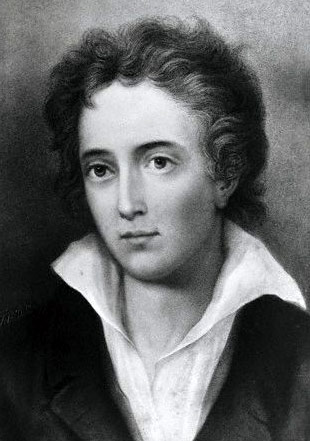
“…read Plato in bed before breakfast; read Morris; read Shelley by the hour.” (pg. 33)
Plato is one of the most renowned philosophers of all time. He was a Greek thinker who contributed in laying the foundation of Western philosophy and science. Woolf references this historical figure in order to make a connection with the visionary ideas of Sally and Clarissa who plan to establish their own society. William Morris was an English writer, artist, designer and socialist. Apart from his creative endeavors, Morris wrote several socialist doctrines. Though Sally and Clarissa may have been intrigued by Morris’ decorative work, Woolf references Morris to exploit the radical goals all three share. Percy Bysshe Shelley was an influential English poet and novelist. Shelley, who is considered to be one of the greatest lyric poets of his time, was also said to be an idealist. Woolf includes Shelley because of the similarities between his idealistic views and those of the two women.
"Plato - History for Kids!" Kidipede. Web. 29 Sept. 2009. http://www.historyforkids.org/learn/greeks/philosophy/plato.htm
"William Morris - a brief biography." Needlepoint kits from Beth Russell Needlepoint. Web. 29 Sept. 2009. http://www.bethrussellneedlepoint.com/William-Morris.htm
"Percy Bysshe Shelley." Wikipedia. Web. 29 Sept. 2009. http://en.wikipedia.org/wiki/Percy_Bysshe_Shelley
Photo Credit: Plato. Digital image. Web. 30 Sept. 2009. http://www.bwog.net/uploads/plato_bust.jpg
William Morris. Digital image. Web. 30 Sept. 2009. http://www.bethrussellneedlepoint.com/WilliamMorris/wmface1.jpg
Percy Bysshe Shelley. Digital image. Web. 30 Sept. 2009. http://famouspoetsandpoems.com/pictures/percy_bysshe_shelley.jpg
The French Revolution

“…an ancestor had been with Marie Antoinette, had his head cut off…” (pg. 33)
The French Revolution, which is alluded to in this quote, occurred during the late 18th century. It was a period of political and social upheaval which reached its height in 1789. The purpose of this revolution was to overthrow the French monarchy and reform the government. It was during this frenzied time period that beheading became popular as a form of execution. The execution of King Louis XVI and his wife Marie Antoinette marked the beginning of a new era for France. Woolf references the French Revolution to develop the character of Sally Seton. Sally is portrayed as being an eccentric, opinionated woman. This claim of being related to a former French aristocrat merely adds to her wild, somewhat exaggerated persona.
"French Revolution (1787-99)." Britannica Online Encyclopedia. Web. 29 Sept. 2009. http://www.britannica.com/EBchecked/topic/219315/French-Revolution
Photo Credit: Louis XVI Execution. Digital image. Web. 30 Sept. 2009. http://upload.wikimedia.org/wikipedia/commons/9/90/LouisXVIExecutionBig.jpg
Baron Marbot's Memoirs
“…she had read deep in Baron Marbot’s Memoirs. She had read late at night of the retreat from Moscow.” (pg. 31)
Jean Baptiste Antoine Marcellin de Marbot was a French general who lived during the 18th and 19th centuries and fought alongside Napolean. He has become most famous for his biography which gives insight into the Napoleonic age of warfare. In Memoirs, Marbot recounts the battles that result in Napoleon’s unsuccessful taking of Russia. Woolf references this book to show war’s impact on society. Using this book as Clarissa’s choice of reading material also creates a contrast between what is expected of Clarissa and her actual personality. This is key in developing Clarissa's character. This abnormal (at least for this time period) interest shows how multitiered her personality is and sets her even further apart from the other characters.
"Jean Baptiste Antoine Marcellin de Marbot." Wikipedia. Web. 29 Sept. 2009. http://en.wikipedia.org/wiki/Jean_Baptiste_Antoine_Marcellin_de_Marbot
Jean Baptiste Antoine Marcellin de Marbot was a French general who lived during the 18th and 19th centuries and fought alongside Napolean. He has become most famous for his biography which gives insight into the Napoleonic age of warfare. In Memoirs, Marbot recounts the battles that result in Napoleon’s unsuccessful taking of Russia. Woolf references this book to show war’s impact on society. Using this book as Clarissa’s choice of reading material also creates a contrast between what is expected of Clarissa and her actual personality. This is key in developing Clarissa's character. This abnormal (at least for this time period) interest shows how multitiered her personality is and sets her even further apart from the other characters.
"Jean Baptiste Antoine Marcellin de Marbot." Wikipedia. Web. 29 Sept. 2009. http://en.wikipedia.org/wiki/Jean_Baptiste_Antoine_Marcellin_de_Marbot
Subscribe to:
Posts (Atom)